

The world is shifting toward renewable energy and smarter power systems. A key player in this change is the IGBT power module. This advanced semiconductor device helps control and convert power efficiently. In this article, we explore how IGBT power modules will shape the future of smart grids and energy storage. We’ll also explain what an IGBT is, how it works, and why it matters.
What Is an IGBT?
IGBT meaning: IGBT stands for Insulated Gate Bipolar Transistor. It combines the best features of two devices:
- A bipolar transistor (for high current handling)
- A MOSFET (for fast switching)
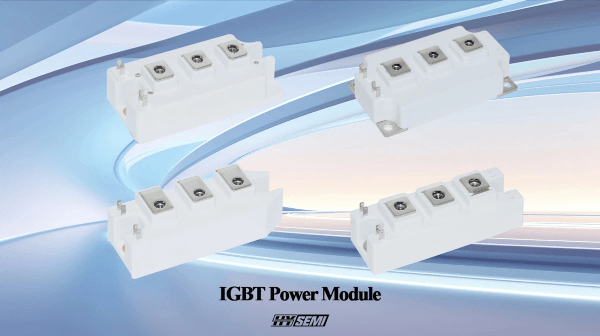
This makes IGBTs ideal for high-power applications. A power IGBT module packs multiple IGBTs into a single unit for better performance.
Why IGBT Power Modules Matter in Smart Grids
Smart grids need fast, efficient power control. Here’s how IGBT power modules help:
1. Efficient Power Conversion
- Smart grids use renewable energy (solar, wind).
- These sources produce variable power.
- IGBTs convert this power efficiently for grid use.
2. Faster Switching for Stability
- Power demand changes quickly.
- IGBTs switch on/off fast to keep voltage stable.
- This prevents blackouts and improves reliability.
3. Reduced Energy Loss
- Older power systems waste energy as heat.
- Power module IGBT designs cut losses, saving energy.
IGBT Power Modules in Energy Storage System
s
Energy storage (like batteries) is crucial for renewable energy. IGBTs play a big role here too.
1. Battery Management
- IGBTs control charging/discharging in large battery systems.
- They prevent overheating and extend battery life.
2. Smooth Power Flow
- Solar/wind power isn’t always available.
- IGBTs help store and release energy when needed.
3. High-Voltage Applications
- Grid-scale storage needs high power handling.
- IGBT modules manage high voltages safely.
Future Trends in IGBT Technology
The IGBT power module is evolving. Here’s what’s coming next:
1.
Silicon Carbide (SiC) IGBTs
- SiC chips handle higher temperatures and voltages.
- This makes IGBTs even more efficient.
2. Smarter Control Systems
- AI and IoT will optimize IGBT performance.
- This means better energy management in real time.
3. More Compact Designs
- Smaller, lighter power IGBT modules will save space.
- This helps in electric vehicles and portable storage.
Challenges for IGBT Power Modules
Despite their benefits, IGBTs face some hurdles:
1. Heat Management
- High power generates heat.
- Better cooling systems are needed.
2. Cost
- Advanced IGBTs are expensive.
- Prices must drop for wider use.
3. Competition from SiC and GaN
- Newer materials (like GaN) may replace IGBTs someday.
- But IGBTs still lead in high-power applications.
Conclusion
The IGBT power module is a key technology for smart grids and energy storage. It enables efficient power conversion, stable grids, and better battery systems.