

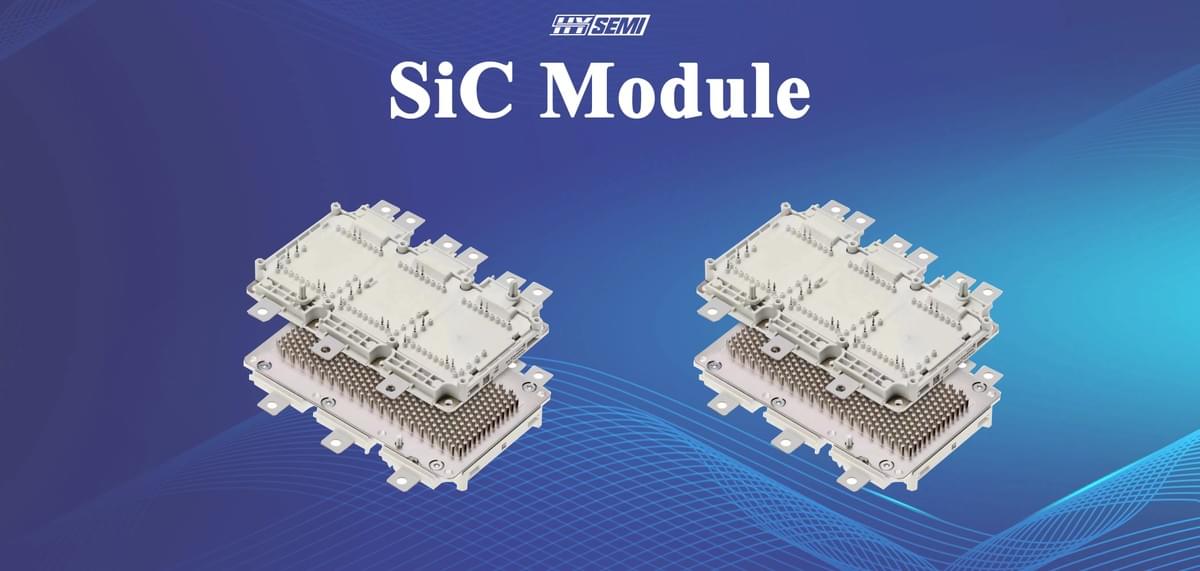
Power electronics demand faster switching and better efficiency. SiC modules (silicon carbide power modules) deliver both. These components excel in ultra-high frequency applications. What is a SiC module? It's a power device using silicon carbide semiconductors. Compared to silicon, it offers superior thermal performance and switching speeds.
This article reveals design secrets for SiC power modules in high-frequency applications. We'll cover material advantages, layout tricks, and thermal solutions.
Why SiC Modules for High Frequency?
Silicon carbide changes the game for power electronics:
- Faster switching - SiC devices can switch 10x faster than silicon
- Lower losses - Reduced conduction and switching losses
- Higher temperatures - Operates reliably at 200°C+
- Smaller systems - Enables compact power designs
The SiC power module purpose is clear: enable next-gen high-frequency converters.
Critical Design Considerations
1. Gate Driver Optimization
High-frequency operation demands careful gate drive design:
- Use negative gate bias (-5V typical)
- Implement active Miller clamping
- Keep gate loop inductance below 5nH
2. Layout Techniques
Proper PCB layout prevents issues:
- Minimize power loop area
- Use symmetric layouts for paralleled devices
- Implement Kelvin connections for gate drives
3. Thermal Management
Despite better efficiency, heat remains a challenge:
- Use direct-bonded copper substrates
- Implement advanced cooling solutions
- Monitor junction temperatures
Advanced Packaging Solutions
Modern silicon carbide modules use innovative packaging:

Real-World Applications
SiC modules shine in these high-frequency uses:
- RF power supplies (100kHz-1MHz)
- High-speed motor drives
- Wireless power transfer
- Aerospace power systems
Future Trends
Emerging developments will push SiC power modules further:
- 3D packaging for better integration
- Integrated gate drivers
- Higher voltage ratings (3.3kV+)
Conclusion
SHYSEMI: Designing SiC modules for high frequencies requires special attention. Focus on gate driving, layout, and thermal management.
Key takeaways:
✔ Optimize gate drive circuits
✔ Minimize parasitic inductance
✔ Implement advanced cooling
These strategies unlock the full potential of silicon carbide power modules in demanding applications.