

What Is an IPM (Intelligent Power Module) ?
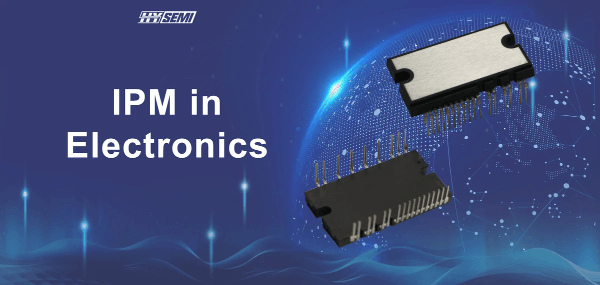
An intelligent power module (IPM) combines:
- Power switches (like IGBTs)
- Control circuits
- Protection features
Unlike traditional components, IPM modules are self-contained. This simplifies design and boosts reliability. This article explores why IPM in electronics matters more than most realize.
The Power Behind Modern Electronics
IPM in electronics plays a crucial but often overlooked role. These compact IPM modules manage power efficiently in everyday devices.
An intelligent power module working inside appliances ensures:
- Smooth operation
- Energy savings
- Longer lifespan
Key Advantages of IPM in Electronics
1. Energy Efficiency
IPM in electronics reduces power loss by up to 30%
Example: An IPM module for inverter AC cuts electricity bills
2. Compact Design
Replaces multiple discrete parts
Saves space in smartphones, laptops, and EVs
3. Built-In Protection
Prevents damage from:
- Overheating
- Power surges
- Short circuits
Where IPM in Electronics Makes a Difference
IPM module for inverter AC enables:
- Quieter operation
- Precise temperature control
- 40% energy savings
Intelligent power module inverter systems:
- Manage battery power
- Enable smooth acceleration
- Support fast charging
IPM modules in motor drives:
- Reduce downtime
- Improve precision
- Cut energy waste

How an Intelligent Power Module Works
The intelligent power module working process involves:
- Receiving control signals
- Switching power transistors
- Monitoring for faults
- Shutting down if problems occur
This happens thousands of times per second in devices like:
The Future of IPM in Electronics
Three key developments:
- Higher power density – More capability in smaller packages
- Smarter protection – AI-driven fault prevention
- Wider adoption – From appliances to smart grids
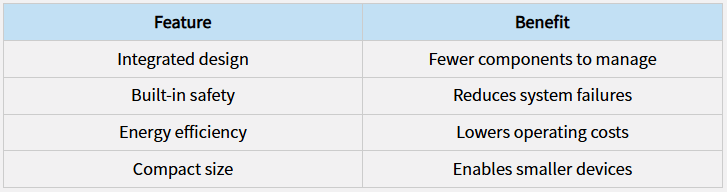
Why Designers Choose IPM Modules
Conclusion
IPM in electronics may be small, but its impact is huge. From keeping homes cool to powering electric cars, these modules deliver:
- Efficiency
- Reliability
- Smart power management
As technology advances, IPM modules will enable even smarter, greener electronics.
Common Questions
Q: What does an intelligent power module do?
A: It controls and protects power flow in electronics.
Q: Why use IPM in electronics instead of discrete parts?
A: Simpler design, better reliability, and space savings.
Q: Where are IPM modules most used?
A: Inverter ACs, EVs, and industrial motor drives lead adoption.