

MOSFET (Metal-Oxide-Semiconductor Field-Effect Transistor) is an indispensable component in modern electronic circuits, widely used in power management, amplifiers, switching circuits, and other fields. Correctly installing MOSFETs not only ensures the normal operation of the circuit but also extends the lifespan of the components and prevents electrostatic damage. SHYSEMI will elaborate on the key installation precautions for MOSFETs.
Precautions for Using MOS Field-Effect Transistors
When using MOS field-effect transistors, it is necessary to classify them and not to interchange them randomly. Due to their high input impedance (including MOS integrated circuits), MOS field-effect transistors are highly susceptible to electrostatic breakdown. The following rules should be followed when using them:
- MOS devices are usually packaged in black conductive foam plastic bags. Do not use any random plastic bag to pack them. You can also connect the pins together with thin copper wires or wrap them with tin foil.
- Because the insulating layer of the gate of MOS field-effect transistors is very thin and the gate leakage capacitance is small, human static electricity can easily damage the gate of the transistor. Therefore, do not touch the gate of the transistor directly with your body.
- As dryness is prone to generating static electricity, wash your hands before installing and replacing the field-effect transistors to eliminate static electricity.
- All tools and equipment should be grounded.
- The welding sequence of the pins of MOS devices is drain, source, and gate. The order is reversed when disassembling the device.
- Before installing the circuit board, use a grounded wire clip to touch the various terminals of the machine and then connect the circuit board.
- Under permitted conditions, it is best to connect a protection diode to the gate of the MOS field-effect transistor. When inspecting the circuit, pay attention to checking whether the original protection diode is damaged.
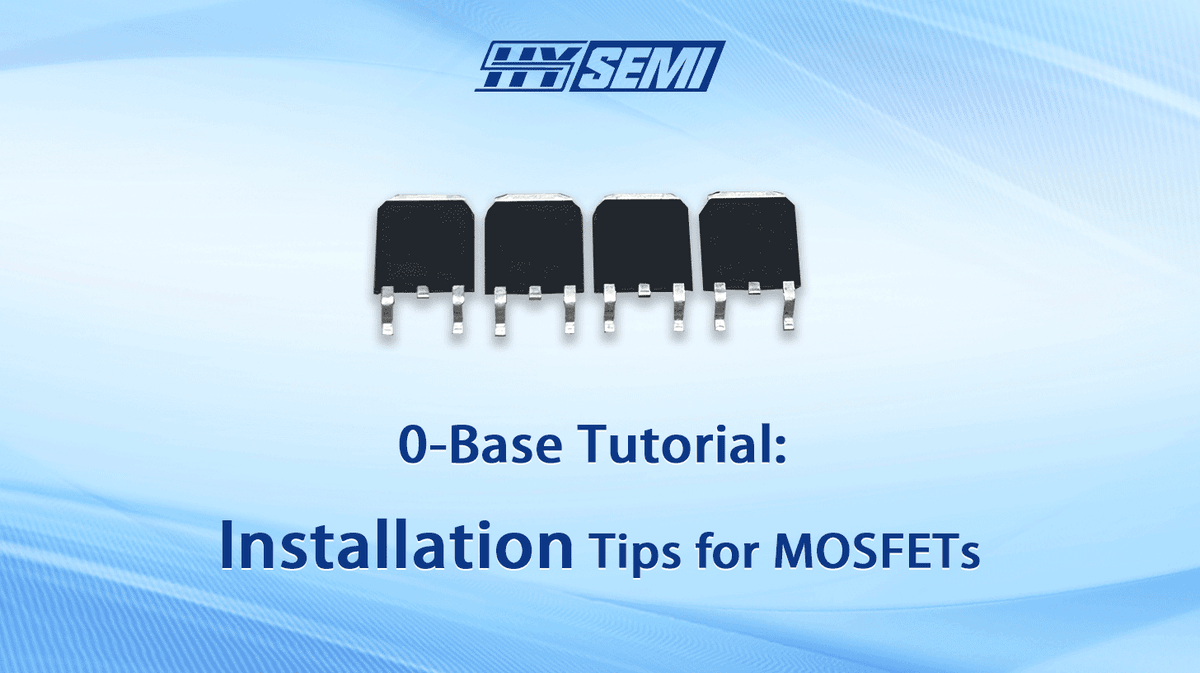
How to install MOS
(1) First, clean the position where the MOS field effect transistor is to be installed on the power amplifier module, remove the microstrip capacitors, inductors, drain power inductors that have an impact, clean the solder at the junction of the gate and drain, and clean the base with alcohol.
(2) Apply a thin layer of thermal conductive silicone grease evenly to the base of the MOS field effect transistor to ensure good contact and heat conduction between the transistor and the base.
(3) Install the transistor, tighten the fixing screws and the heat sink, and press with a hard object to ensure that the gate/drain are tightly pressed at the welding point.
(4) Use a 60W grounding soldering iron, remove the power supply. Use good solder wire and quickly weld the gate and drain. Control the amount of solder, too much will cause excessive heat dissipation, too little will result in unstable welding. Be careful not to directly hold the solder for welding, use insulated forceps or needle-nose pliers to hold the solder for welding. The soldering iron power is too small and the temperature is not enough, too large is likely to damage the wire tube, so the temperature should also be gradually tested. The welding time should be short, and it can be done in multiple sessions.
(5) After welding the transistor, weld the resonant capacitors, resonant inductors, and finally the drain power inductor one by one.
Conclusion
Proper installation and use of MOSFETs is crucial for ensuring the reliable operation of electronic devices. By following the aforementioned precautions, the risk of component damage can be significantly reduced, and the performance and lifespan of the circuit can be improved. Remember, electrostatic protection and thermal management are the two most important aspects in the handling of MOSFETs.