

The Power Conversion Revolution
Power inverters have evolved. Older designs used bulky transistors and thyristors. Modern IGBT inverters dominate industries from solar energy to electric vehicles. But why IGBT is used in inverter systems? Simple: They switch high power efficiently with minimal heat.
This article compares IGBT inverter tech to traditional designs—and what most overlook.
What is an IGBT Inverter?
First, IGBT meaning in text: Insulated Gate Bipolar Transistor.
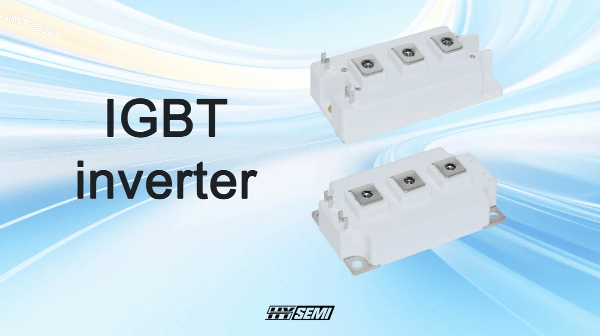
An IGBT module inverter combines:
✔ High-voltage handling (like BJTs)
✔ Fast switching (like MOSFETs)
✔ Built-in protection circuits
This makes them ideal for:
Traditional Inverter Designs
1. Thyristor-Based Inverters
- Older technology
- Slow switching
- High power loss
- Requires complex control
2. MOSFET-Based Inverters
- Fast but limited to low voltages
- Overheat in high-power apps
3. BJT-Based Inverters
- Current-controlled (less efficient)
- Being phased out
Why IGBT Inverters Win
1. Higher Efficiency
- IGBT inverter loses less energy as heat
- Example: Solar systems gain 5-10% more output
2. Better Power Handling
- Handles 600V+ easily
- IGBT module datasheet shows 1000A+ capacity
3. Compact & Reliable
- Integrates drivers and protection
- Lasts longer than discrete designs
How to Use IGBT in Inverter Systems
1. Selecting the Right Module
- Check IGBT module pdf for specs
- Match voltage/current to your needs
2. Thermal Management
- Heatsinks are mandatory
- Some IGBT module inverter designs use liquid cooling
3. Gate Driving
- Proper voltage ensures clean switching
- Undervoltage causes failures
Key Applications
1. Solar Power
- IGBT inverter maximizes panel output
- Handles rapid sunlight changes
2. Electric Vehicles
- Controls motor speed smoothly
- Enables regenerative braking
3. Industrial Machines
- Precise motor control
- Withstands harsh environments

What Most People Miss
1. Hidden Cost Savings
- Lower energy bills outweigh higher upfront cost
- Fewer replacements needed
2. Future-Proofing
- IGBT inverter tech keeps improving
- Easier to upgrade than old systems
3. Noise Reduction
- Cleaner switching = less electrical noise
- Critical for sensitive electronics
FAQ
Q: Why IGBT is used in inverter instead of MOSFET?
A: IGBTs handle higher voltages with less heat.
Q: How to check IGBT module specs?
A: Review the IGBT module datasheet for ratings.
Q: Can I repair a failed IGBT inverter?
A: Usually not—modules are replaced as units.
Conclusion
The IGBT inverter outperforms traditional designs by:
✔ Using power more efficiently
✔ Lasting longer under heavy use
✔ Enabling smarter control
Upgrading pays off quickly in energy savings and reliability.

Do you have any questions or product requirements? Please send us an email at: info@shysemi.com, or simply add our WhatsApp number: +86 15361554542