

The IGBT price has become a critical factor in power electronics design. These components, essential for efficient power conversion, fluctuate in cost due to market demand, material shortages, and technological advances.
The price of SHYSEMI's IGBT is approximately $0.8 when the usage is between 30,000 and 50,000 units (the price is adjusted according to market fluctuations).
Understanding what is IGBT transistor helps explain its value. An IGBT (Insulated Gate Bipolar Transistor) combines MOSFET speed with bipolar transistor power handling. This hybrid design makes it ideal for high-voltage switching in industrial, automotive, and renewable energy systems.

Key Factors Driving IGBT Price Trends
1. Raw Material Costs
Silicon wafer prices directly impact IGBT transistor price. Recent supply chain disruptions have increased production costs.
2. Manufacturing Complexity
Building IGBT transistors requires precision. Cleanroom standards and doping processes add to expenses.
3. Demand Surges
Electric vehicles and solar farms need more IGBT transistor modules. This demand pushes prices up.
4. Voltage Requirements
High voltage IGBT designs (above 1200V) cost 20-30% more than standard models.
5. Package Types
Module prices vary by:
- Discrete vs. modular designs
- Cooling requirements
- Pin configurations
IGBT Price Comparison by Application
*prices are subject to market fluctuations.
High reliability The IGBT transistor number (part number) often indicates its tier.
Recent IGBT Price Movements
2021-2023 saw IGBT transistor price increases of 12-18% annually. Causes included:
- Post-pandemic auto industry rebound
- Renewable energy investments
- Silicon carbide competition
However, 2024 shows stabilization as:
- Chinese manufacturers expand production
- Inventory levels normalize
- Alternative technologies emerge
Cost-Saving Strategies for Buyers
1. Alternative Sourcing
Compare IGBT price across vendors like:
- Infineon
- Mitsubishi
- STMicroelectronics
- SHYSEMI
2. Design Optimizatio
n
Match IGBT transistors to actual needs:
- Right-size voltage ratings
- Consider parallel configurations
- Optimize thermal management
3. Bulk Purchasin
g
Volume discounts can reduce IGBT transistor module costs by 10-25%.
4. Second-Source Plannin
g
Identify interchangeable IGBT transistor number options early.
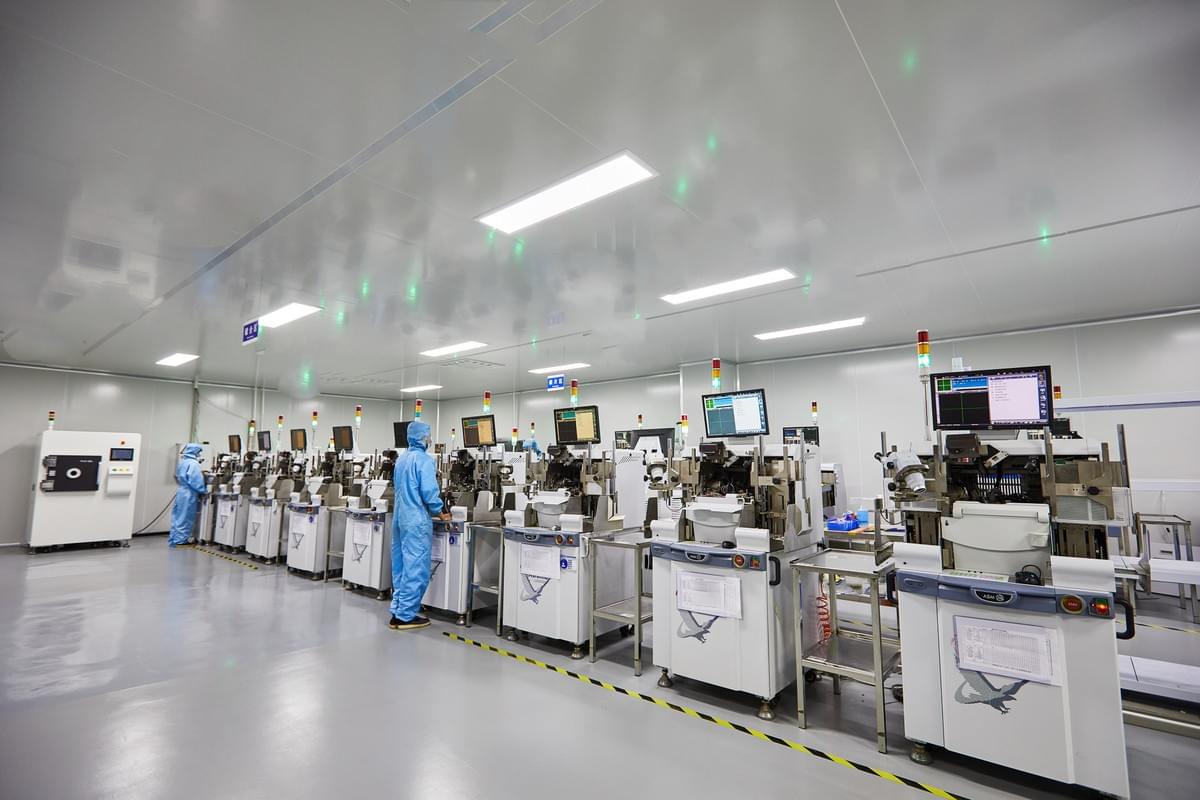
This is an actual photo of SHYSEMI's production line.
Future Outlook: Where Prices Are Headin
g
Industry analysts predict:
- 2024: 3-5% price decline as supply catches up
- 2025: Potential stabilization
- Long-term: High voltage IGBT may remain premium products
Emerging technologies like silicon carbide could pressure traditional IGBT price points in high-end applications.
Conclusion: Smart Purchasing in a Volatile Marke
t
The IGBT price landscape reflects broader electronics trends. While costs remain elevated versus pre-pandemic levels, strategic sourcing and design choices can mitigate impacts. As power electronics evolve, staying informed ensures cost-effective decisions. Whether selecting a $5 discrete part or a $200 IGBT transistor module, smart buyers balance performance and budget.