

With the rapid advancement of industrial automation, smart manufacturing, and energy-efficiency initiatives, traditional motor drive circuits built with discrete components can no longer meet the demands of modern industrial systems. Today's industrial motors require high reliability, high-frequency speed control, compact designs, intelligent operation, and low power loss.
Leveraging high integration, built-in protection functions, and compatibility with intelligent control systems, Intelligent Power Modules (IPMs) have become the preferred power solution for industrial applications such as variable frequency drives (VFDs), servo drives, fans, pumps, and CNC machine tools.
What Is an IPM? (Structure Overview)
An IPM (Intelligent Power Module) is an integrated power semiconductor module specifically designed for inverter-based motor drive systems. Unlike standalone power switching devices, an IPM integrates power devices, gate driver circuits, protection circuitry, and sensing functions into a single package, forming a compact power drive system.

Key Advantages of IPMs
- Simplified peripheral circuitry
- Minimal debugging requirements
- Standardized factory-calibrated parameters
- Reduced design complexity
- Improved system stability and reliability
IPMs eliminate many of the challenges associated with traditional discrete power designs, such as complicated circuit implementation and inconsistent performance.
Traditional Discrete IGBT Solutions vs. IPM Solutions
Five Key Reasons Industrial Motors Depend on IPMs
1. Built-In Hardware Protection for High-Reliability Operation
Industrial motors commonly operate continuously under full-load conditions and often face harsh operating environments, including:
- Overload conditions
- Rotor lock or stall events
- Grid voltage fluctuations
- Excessive temperature rise
In traditional discrete designs, protection functions rely heavily on external circuits. Response speed is limited, parameter matching is complex, and system failures can easily lead to power device damage or unexpected equipment shutdown.
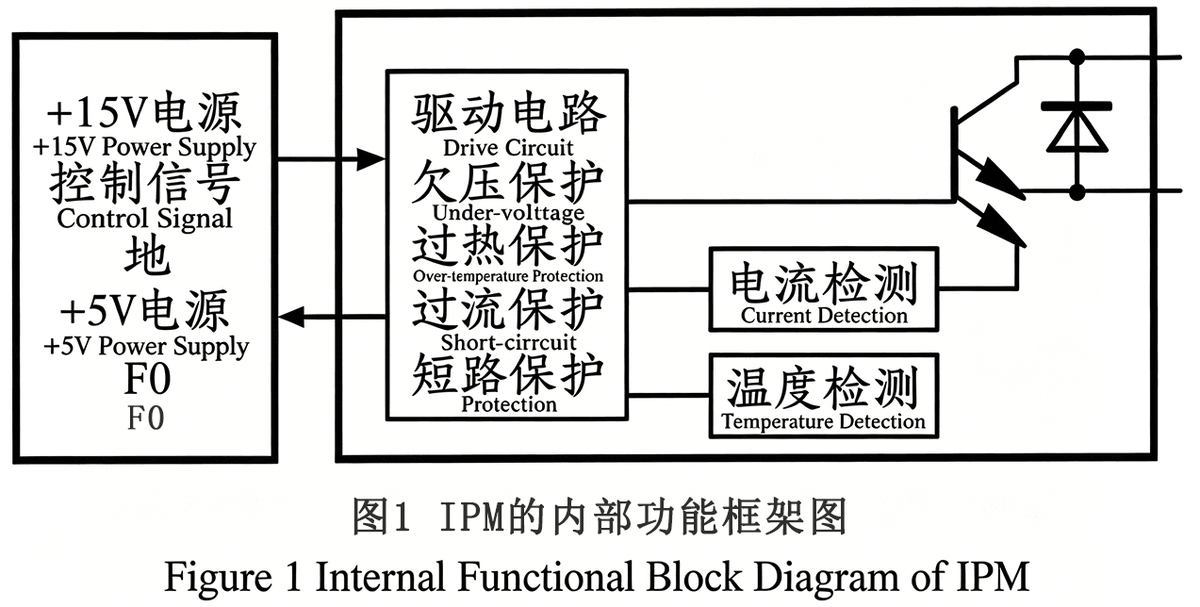
IPMs integrate multiple hardware-level protection functions directly within the module, including:
- Short-circuit protection
- Overcurrent protection
- Overtemperature protection
- Undervoltage protection
With microsecond-level response times, the module can instantly disable power output during abnormal conditions while simultaneously generating fault feedback signals. This significantly improves equipment safety and system reliability.
2. High Integration Enables Compact and Lightweight Designs
Modern industrial equipment increasingly follows compact and modular design principles. Traditional discrete power solutions require:
- Numerous external components
- Complex PCB routing
- Larger installation space
These limitations make them less suitable for compact systems such as:
- CNC machines
- Small servo systems
- Integrated automation production lines
Through integrated packaging technology, IPMs substantially reduce the number of external driver, protection, and sensing components. This simplifies PCB layouts, minimizes system size, reduces overall equipment weight, and supports high-density industrial designs.
For example, SHYSEMI's SIP-35 package is specifically engineered for high-power, high-density, and high-reliability applications.
3. Low-Loss, High-Frequency Performance Supports Energy Efficiency and Precise Speed Control
Fixed-speed industrial motors are gradually being replaced by variable-speed systems that adapt dynamically to changing load conditions to reduce power consumption.
Traditional discrete IGBT solutions often suffer from:
- High switching losses
- High conduction losses
- Excessive thermal generation during high-frequency operation
These limitations negatively affect speed-control accuracy and reduce energy efficiency.
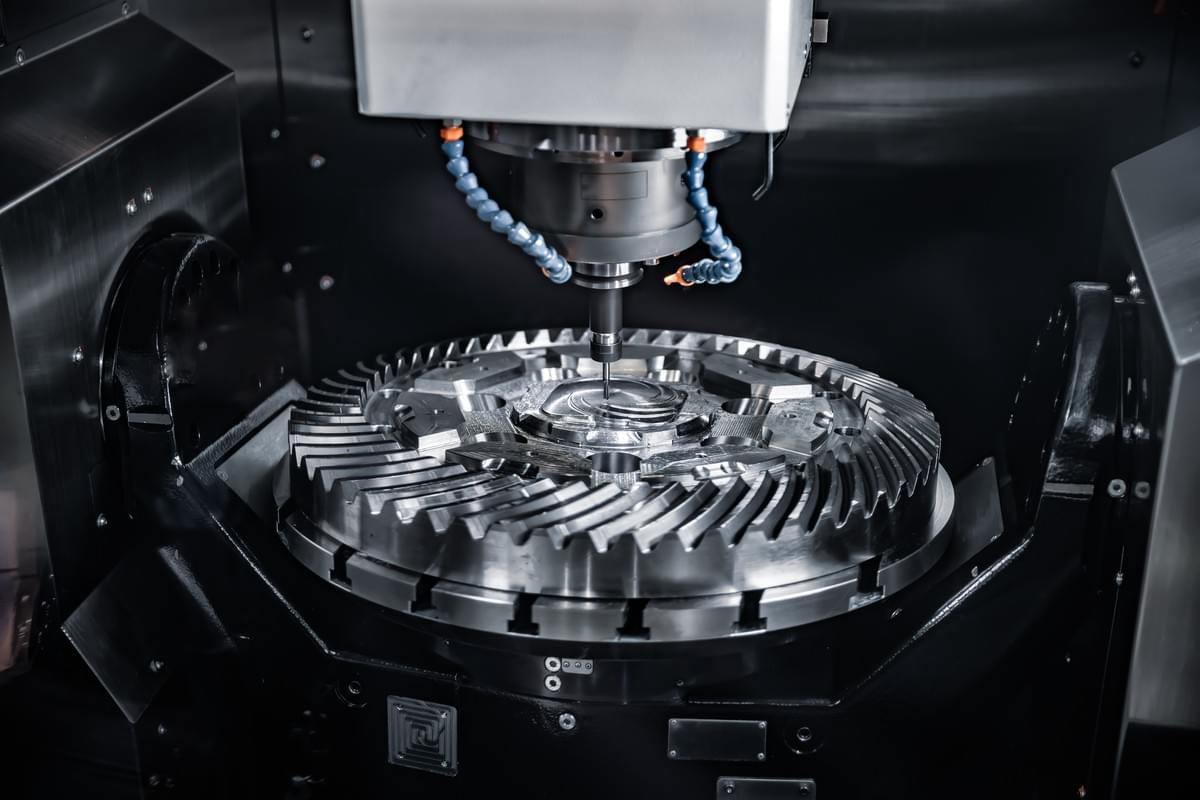
IPMs utilize optimized low-loss semiconductor chips and integrated drive architectures to support higher switching frequencies. Key benefits include:
- Smoother speed regulation
- More stable torque output
- Lower acoustic noise
- Reduced overall power consumption
These advantages align with industrial goals of energy savings, cost reduction, and sustainability initiatives.
4. Lower Development Complexity and Faster Mass Production Deployment
Designing discrete power circuits requires substantial engineering expertise. Developers must optimize:
- Gate driving parameters
- Electromagnetic interference (EMI) suppression
- Protection thresholds
- System stability
The process is time-consuming and often creates consistency issues during large-scale manufacturing.
Industrial-grade IPMs are delivered as standardized modules that undergo factory calibration and rigorous testing before deployment. Benefits include:
- Stable electrical performance
- Broad compatibility
- Reduced design complexity
- Faster product development
- Improved manufacturing consistency
Engineers can accelerate product implementation by configuring only a simplified external circuit structure.
If you have technical questions about IPM module selection, circuit design or parameter matching,you can contact our professional engineering team for one-on-one technical support and solution recommendation, and the quotation for the IPM module.
5. Integrated Monitoring Supports Smart Industrial Systems
The rise of smart factories and Industrial Internet of Things (IIoT) technologies has introduced new requirements for motor drive systems:
- Real-time monitoring
- Predictive maintenance
- Fault diagnostics
- Remote management
- Traceable operational data
Traditional discrete solutions have limited capability to collect accurate operational data, making failures difficult to predict before they occur.
Modern IPMs integrate high-precision sensing functions capable of providing:
- Real-time temperature monitoring
- Current measurement
- Fault code reporting
- Equipment status diagnostics
- Overload warnings
- Fault localization support
These capabilities make IPMs highly suitable for digitalized industrial operation and intelligent manufacturing systems.
Industry Development Trend
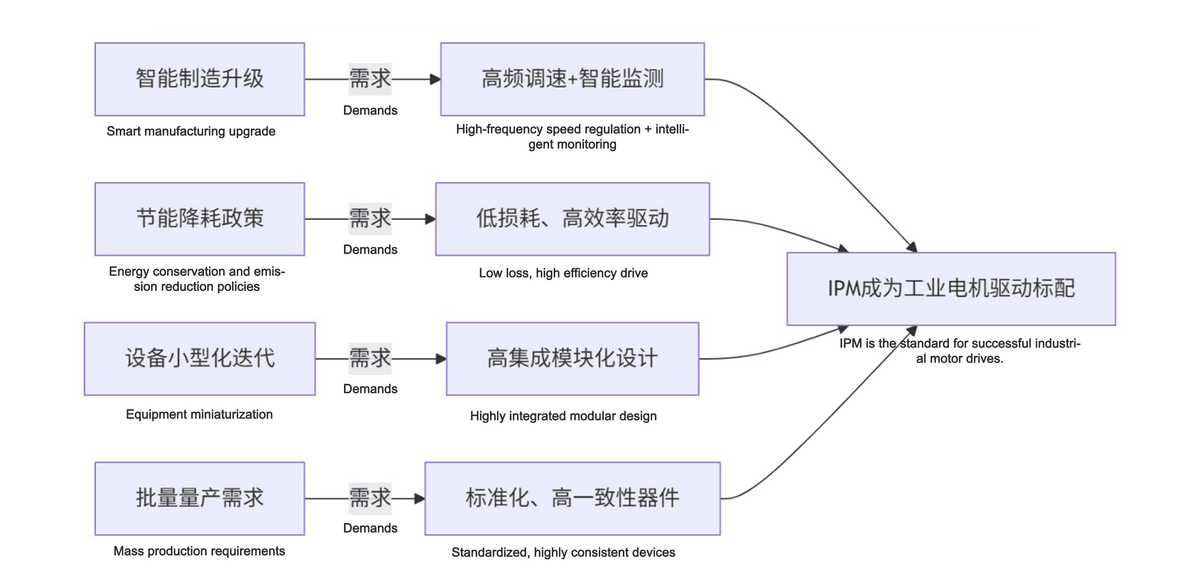
Conclusion
The growing dependence of industrial motor drives on Intelligent Power Modules reflects both the evolution of industrial equipment requirements and advances in power semiconductor technology.
Traditional discrete solutions often struggle with:
- Lower reliability
- Larger system size
- Higher power loss
- Complex debugging procedures
- Limited monitoring capability
By integrating power devices, drive circuits, protection mechanisms, and sensing functions into a single package, IPMs address these limitations and provide major advantages in:
- High integration
- High reliability
- High efficiency
- Intelligent operation
As industrial motor systems continue to evolve toward smarter, more efficient, and more compact architectures, IPMs have become a foundational component in modern variable-frequency motor drive systems.
FQA
Q:What is a control signal ground?
A:The control signal ground (Control Signal Ground / Signal Ground, SGND) serves as the reference potential (reference ground) for both the control circuit and the signal circuit. It provides a consistent "0V reference" for control signals, enabling components such as drivers, microcontrollers, PWM signals, and protection circuits to accurately distinguish voltage levels.
Q: Compared to the IPM, what are the characteristics of the traditional discrete solution components?
A:Compared with an IPM solution, a conventional discrete design uses separate power devices, gate drivers, protection circuits, and external components instead of integrating them into a single package. While discrete solutions provide greater design flexibility and scalability, they generally require more PCB space and longer development time.