

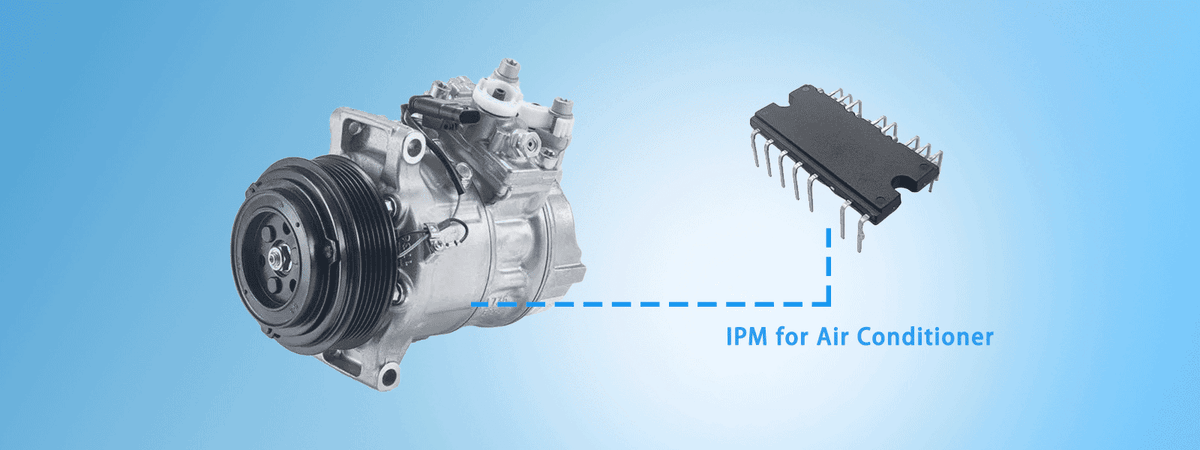
The Intelligent Power Module (IPM) is the heart of variable-frequency technology. As the core power conversion and drive component, it is essential for modern "white goods" like air conditioners, washing machines, and refrigerators.
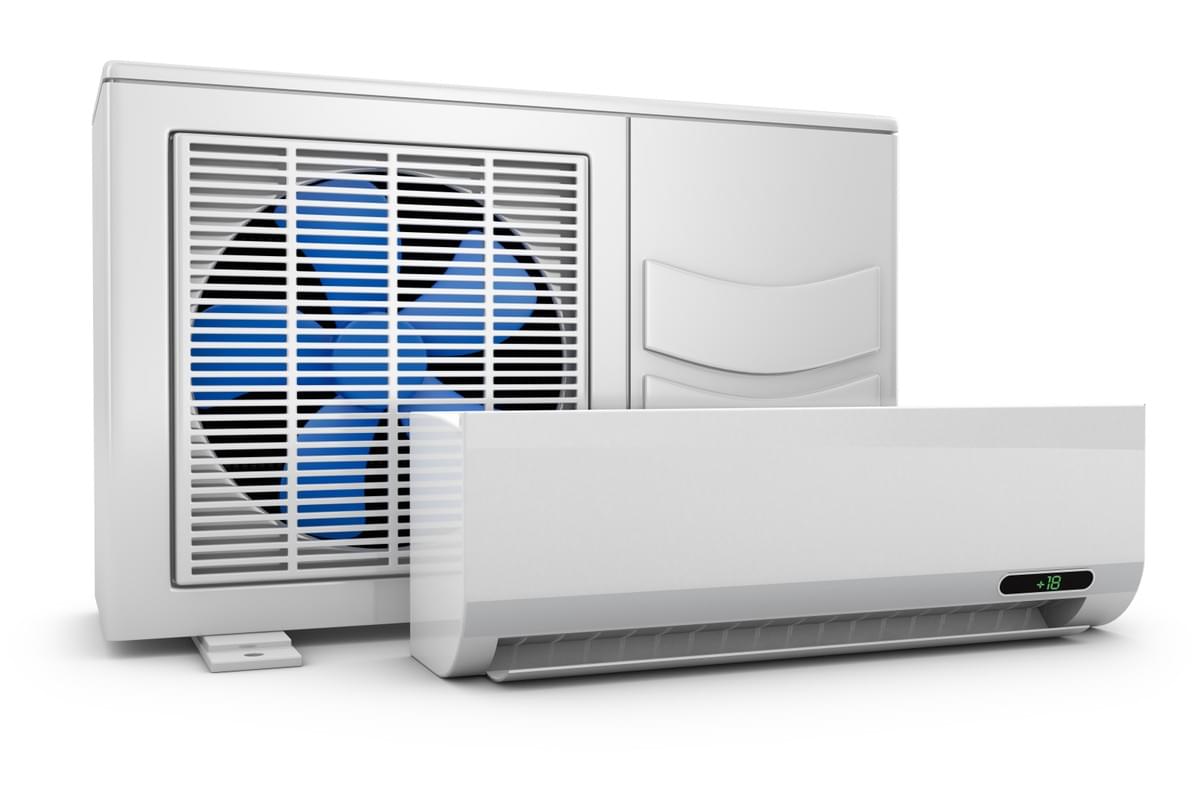
In inverter air conditioning systems, issues such as a compressor failing to start, frequent tripping, or specific error codes are usually tied to the operational status of the IPM. This guide provides a professional analysis of IPM failure mechanisms and offers maintenance strategies based on high-performance brands like SHYSEMI.
1. Defining Air Conditioner IPM Failure
In technical terms, an IPM failure refers to an electrical or thermal breakdown of the Inverter Power Module.
An IPM does more than just house IGBTs (Insulated Gate Bipolar Transistors) and their drive circuits; it also features built-in protection logic for overcurrent, short circuits, undervoltage, and overheating. The IPM receives PWM (Pulse Width Modulation) signals from the main controller to precisely manage the compressor's variable speed.
When an IPM fails, the system typically triggers a hardware lockout, leading to a complete system shutdown. In severe cases, current surges can damage the compressor windings or the main control board.
2. Root Causes of IPM Failures
- Grid and Power Pollution: Beyond unstable voltage, harmonic interference, lightning surges, or "floating neutrals" can cause instant high-voltage spikes that puncture the internal IGBTs. A faulty PFC (Power Factor Correction) circuit is another indirect cause of IPM overcurrent.
- Thermal Management Failure: IPMs operate in high-heat environments. If the thermal grease dries out, the heatsink loses contact, or the fan speed drops, heat builds up beyond the junction temperature limit (typically 150°C), leading to thermal breakdown or solder fatigue.
- Abnormal Compressor Conditions: Short circuits in compressor windings or "liquid slugging" (caused by refrigerant blockages) generate massive back-EMF and surge currents that can instantly burn out the IPM output stage.
- Drive Circuit & Logic Errors: Interference in the PWM signal or aging optoisolators can cause "shoot-through" (where the upper and lower bridge arms turn on simultaneously), creating a catastrophic short-circuit current.
- Component Aging: Over time, insulation performance declines. Choosing reliable brands like SHYSEMI—which utilize Al₂O₃/DBC substrates and ultrasonic welding—significantly reduces the risk of early-life failures.
3. Professional Diagnostic Workflow
3.1 Static Resistance Testing (Power Off)
- Use a multimeter (diode or resistance mode) to measure the values between the IPM terminals (P, N, U, V, W) and each bridge arm to ground.
- Normal Sign: Balanced diode characteristics across phases.
- Failure Sign: A reading of $0\Omega$ (short) or an open circuit indicates a damaged module.
- Check the VB (Bootstrap) voltage pins on modules like SHYSEMI to ensure external bootstrap diodes and capacitors aren't leaking.
3.2 Dynamic Voltage Measurement (Power On)
- Verify the DC Bus voltage between P and N (typically around 310V).
- Ensure the 15V control power supply is stable. Fluctuations (below 13.5V or above 18V) will trigger protection locks or cause drive abnormalities.
3.3 Oscilloscope Signal Analysis
- Observe the six PWM input waveforms. They should be regular and consistent.
- Check the output (U, V, W) waveforms. Missing phases, distorted patterns, or excessive "noise spikes" point to a drive or module fault.
3.4 Infrared Thermal Imaging
- After a short run-time, check for localized "hot spots." Rapid, uneven temperature spikes suggest internal IGBT leakage even if no error code has been triggered yet.

4. Precision Repair and Replacement Solutions
4.1 Core Component Replacement (SHYSEMI Selection)
If the module is confirmed dead, replace it with a high-quality SHYSEMI IPM. SHYSEMI is a leader in power semiconductors, utilizing Trench-FS IGBT technology for lower losses and higher surge resistance.
- Match Specifications: Ensure the current (10A/15A/20A) and voltage (600V) ratings match the original.
- Installation: Apply a thin, even layer of high-quality thermal grease and follow specific torque requirements for mounting screws.
4.2 Peripheral Circuit Repair
- Always check the surrounding optoisolators, gate resistors, and Zener diodes. These often fail alongside the IPM.
- Inspect the +15V and +5V lines for excessive ripple; replace filtering capacitors if necessary.
4.3 System-Wide Checks
- Use a Megohmmeter to test compressor winding insulation. If it's below 2MΩ, the compressor must be replaced.
- Clear the refrigerant lines to ensure proper pressure, preventing load-related failures on the new IPM.
5. Preventative Measures for Long-Term Reliability
- Design Optimization: Use SHYSEMI modules with integrated thermal shutdown and current sensing to simplify protection circuits.
- Power Conditioning: Recommend surge protectors or voltage regulators for users in areas with unstable power grids.
- Regular Maintenance: Clean outdoor heatsinks and filters annually to ensure unobstructed airflow and optimal cooling.
- Authentic Parts: Only source original SHYSEMI modules through authorized channels. Avoid "refurbished" chips, which often suffer from poor internal bonding and aged thermal adhesive.
Conclusion
An AC IPM failure is a critical breakdown of the system's power core. By combining professional diagnostics—from static resistance to dynamic waveform analysis—with high-performance replacements like SHYSEMI, you can ensure a fast, reliable repair.
Looking for high-reliability IPM solutions for your next project? [Contact SHYSEMI] for technical support and genuine component sourcing.