

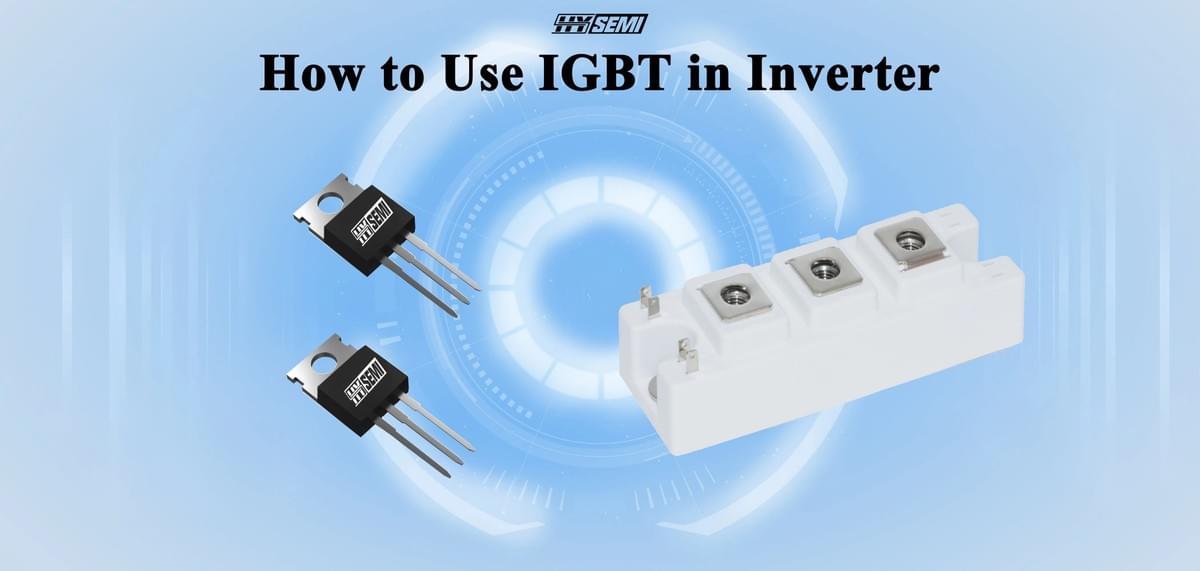
If you're working with power electronics, knowing how to use IGBT in inverter systems is crucial. IGBTs (Insulated Gate Bipolar Transistors) are key components in modern inverters, enabling efficient switching of high voltages and currents. This guide explains the best practices for integrating IGBTs into inverters—covering selection, driving, cooling, and protection. Whether you're designing an IGBT inverter for solar systems, motor drives, or industrial applications, these tips will help you avoid common pitfalls.
What Is an IGBT? (IGBT Meaning in Text)
Before diving into how to use IGBT in inverter circuits, let’s clarify the IGBT meaning in text:
- IGBT = Insulated Gate Bipolar Transistor
- It combines the fast switching of MOSFETs with the high-current handling of bipolar transistors.
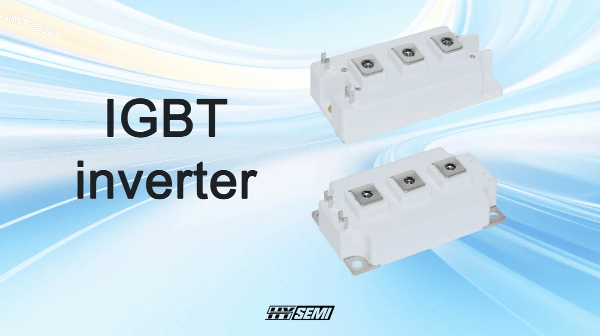
- This makes it ideal for IGBT module inverter designs where efficiency and power handling matter.
Why IGBT Is Used in Inverter Systems
Understanding why IGBT is used in inverter applications helps in proper implementation:
- High Voltage Handling – Supports hundreds to thousands of volts.
- Fast Switching – Reduces power loss in high-frequency circuits.
- Efficiency – Lower heat generation compared to older transistors.
- Reliability – Robust under heavy loads when used correctly.
Step 1: Selecting the Right IGBT Module
Not all IGBTs are equal. Follow these guidelines:
Check the IGBT Module Datasheet
- Always review the IGBT module PDF or datasheet before buying.
- Key specs: Voltage rating, current rating, switching speed, thermal resistance.
Match the IGBT to Your Inverter Type
- Low-power inverters (e.g., small solar systems) need lower-rated IGBTs.
- High-power inverters (e.g., industrial motor drives) require rugged IGBT module inverter designs.
Step 2: Proper Gate Driving Techniques
A weak gate drive can destroy your IGBT. Follow these rules:
- Use a Dedicated Gate Driver – Never drive directly from a microcontroller.
- Optimize Gate Resistor (Rg) – Prevents excessive ringing and overheating.
- Ensure Fast Turn-Off – Slow turn-off increases switching losses.
Step 3: Managing Heat in High-Power Inverters
Heat is the NO. 1 killer of IGBTs. Solutions:
Use a Heatsink
- Attach a properly sized heatsink to the IGBT module.
- Apply thermal paste for better heat transfer.
Monitor Temperature
- Use sensors to detect overheating.
- Derate power if temperatures exceed limits.
Step 4: Protecting the IGBT from Damage
High-power circuits are harsh. Protect your IGBT with:
Snubber Circuits
- Reduce voltage spikes during switching.
- Common types: RC snubbers, diode-clamped snubbers.
Overcurrent Protection
- Use desaturation detection (DESAT) circuits.
- Fast-acting fuses can prevent catastrophic failure.
Step 5: Testing and Troubleshooting
Before finalizing your IGBT inverter, test thoroughly:
- Check Switching Waveforms – Use an oscilloscope to verify clean transitions.
- Measure Power Losses – High losses mean poor efficiency.
- Inspect for Overheating – Hot spots indicate bad thermal design.
Conclusion
Learning how to use IGBT in inverter systems correctly ensures reliability and efficiency. Key takeaways:
- Choose the right IGBT module inverter for your power needs.
- Drive the gate properly to avoid failures.
- Manage heat with good cooling solutions.
- Protect against voltage spikes and overcurrent.
By following these steps, your high-power inverter will perform better and last longer.