

From IGBTs and silicon MOSFETs to SiC MOSFETs, GaN HEMTs, and power modules, different devices require different reliability tests. Let's break down the key tests, the standards to consider, and what matters most when choosing a reliability testing plan.
1. What Is Power Semiconductor Reliability Testing?
Power semiconductor reliability testing is a systematic process that evaluates how well a device withstands long-term operating stress. Engineers simulate real-world conditions such as high temperature, humidity, voltage stress, and mechanical stress to identify potential failure mechanisms and assess device durability.
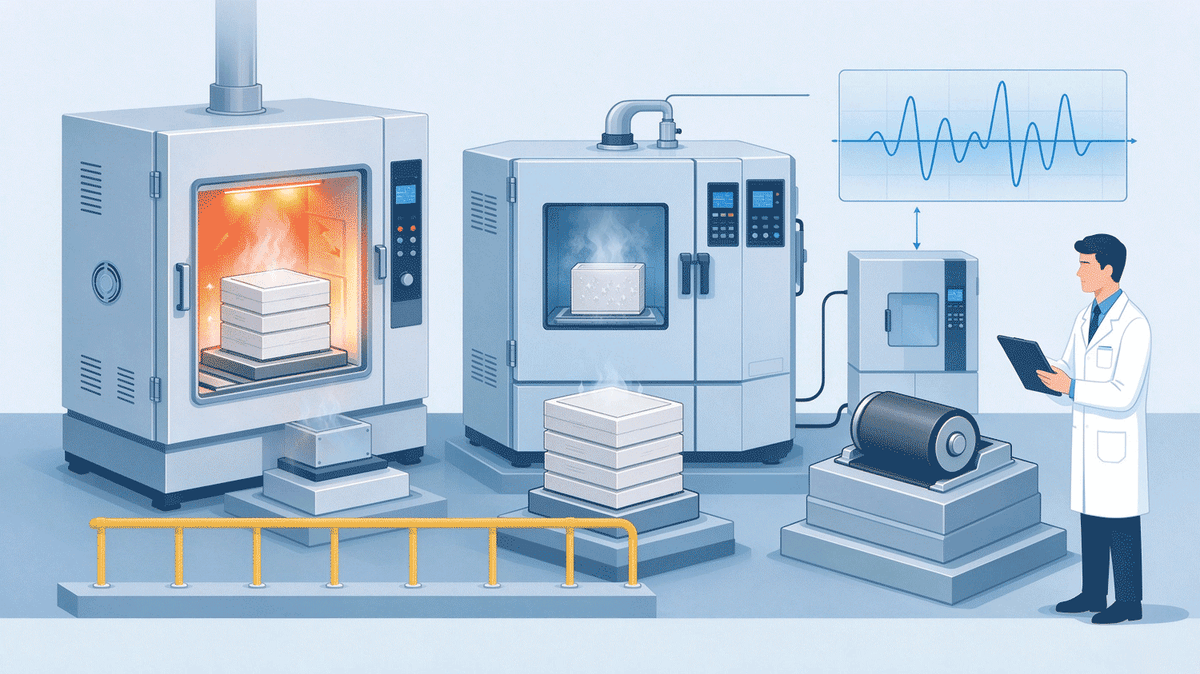
These tests often use accelerated stress conditions to reveal weaknesses that may otherwise take years to appear during normal operation.
Common power semiconductor reliability tests include:
- HTRB (High-Temperature Reverse Bias): Evaluates device stability under high-temperature reverse-bias conditions.
- HTGB (High-Temperature Gate Bias): Assesses gate oxide and gate insulation reliability under elevated temperature and electrical stress.
- Temperature Cycling (TC): Evaluates resistance to repeated temperature changes, including stress on packaging, bonding, and material interfaces.
- H3TRB (High-Humidity High-Temperature Reverse Bias): Tests resistance to moisture-related degradation under elevated temperature and reverse-bias conditions.
- IOL (Intermittent Operating Life): Evaluates device reliability under repeated power-on and power-off cycles, with changes in junction temperature.
For power modules, engineers may also need power cycling, insulation withstand voltage testing, and thermal management compatibility testing, depending on the application and package design.
2. How to Choose the Right Power Device Reliability Standards
There's no single reliability standard that fits every power semiconductor. The right choice depends on the application, device technology, and consequences of a potential failure.
2.1 Choose Reliability Standards Based on the Application
- Consumer electronics: JEDEC standards are commonly used to evaluate semiconductor reliability. Additional requirements may apply depending on the product's GB/T standards, CCC certification requirements, and target market.
- Industrial control and power conversion: A combination of JEDEC and IEC standards may be appropriate, depending on the device and end application. For particularly demanding applications, engineers may also refer to selected automotive-grade test conditions where technically relevant.
- Automotive electronics: AEC-Q101 is a key qualification standard for discrete semiconductor components used in automotive applications. It covers qualification requirements for discrete semiconductors, including relevant power devices.
However, passing AEC-Q101 qualification alone does not guarantee suitability for every automotive application. SHYSEMI suggests that engineers still need to consider the component's operating conditions, mission profile, and system-level reliability requirements.
- Military and aerospace applications: MIL-STD-883 may apply to microelectronic devices used in military systems. Aerospace applications may also require compliance with relevant ESCC or NASA requirements, depending on the project and customer specifications.
The key point is simple: choose standards that match the actual application and qualification requirements rather than applying the same test plan to every device.
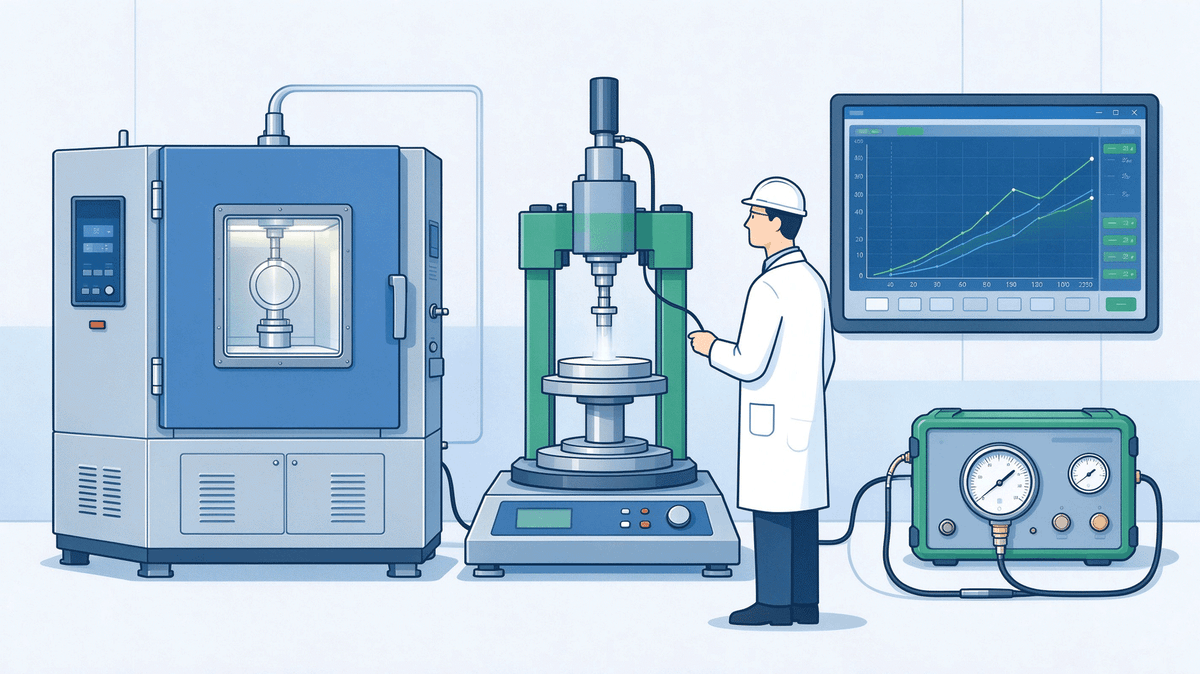
2.2 Choose Tests Based on the Semiconductor Technology
Different power semiconductor technologies have different failure mechanisms. That's why engineers need to look beyond standard qualification tests when evaluating advanced power devices.
Silicon MOSFETs and IGBTs
For conventional silicon power devices, the core reliability evaluation typically includes:
- HTRB for blocking-voltage reliability
- HTGB for gate insulation reliability
- IOL or other applicable lifetime tests for switching and thermal stress
Depending on the package and application, temperature cycling, humidity testing, and additional electrical characterization may also be necessary.
SiC MOSFETs
Silicon carbide (SiC) MOSFETs offer high-voltage operation, fast switching, and reduced switching losses in many power conversion applications. However, their reliability evaluation needs to account for SiC-specific failure mechanisms.
Engineers should pay particular attention to:
- Gate oxide reliability: SiC MOSFET gate structures require careful evaluation under positive and negative gate-bias stress, including appropriate HTGB conditions.
- Short-circuit ruggedness: SiC MOSFETs can have shorter short-circuit withstand times than many silicon IGBTs, making short-circuit testing and protection coordination especially important.
- Body diode degradation: Bipolar conduction and stacking-fault-related degradation may affect the forward voltage and long-term performance of certain SiC devices.
- Switching and thermal reliability: Repetitive electrical and thermal stress should be evaluated under conditions representative of the intended application.
For additional technical background, see the research paper on SiC power device reliability (arXiv:2411.12006).
GaN HEMTs
Gallium nitride (GaN) high-electron-mobility transistors (HEMTs) have different reliability considerations from conventional silicon MOSFETs and IGBTs.
Key areas to evaluate include:
- Dynamic RON (dynamic on-resistance): Changes in on-resistance following high-voltage stress or switching transitions.
- Switching lifetime: Device stability under repeated high-frequency switching and electrical stress.
- p-GaN gate reliability: Gate stability under the recommended operating voltage and transient conditions.
- Current collapse: A reduction in drain current associated with trapping effects under certain operating conditions.
For GaN devices, static electrical measurements alone may not reveal all potential reliability issues. Dynamic testing under representative switching conditions is also important.
Power semiconductor modules
For IGBT modules, SiC power modules, and other high-power assemblies, reliability testing needs to cover both the semiconductor dies and the package structure.
Important tests include:
- Power cycling: Evaluates the effects of repeated junction-temperature changes on die attach, bond wires, and other package interfaces.
- Thermal cycling: Assesses the ability of the module to withstand repeated temperature changes.
- Insulation withstand voltage testing: Evaluates electrical insulation between relevant terminals and the substrate or baseplate.
- Cooling system compatibility: Checks thermal performance and interface compatibility under the intended cooling conditions.
For high-power applications, power cycling and thermal management can be just as important as the electrical reliability of the semiconductor die itself.
Contact SHYSEMI to discuss your power semiconductor requirements and find a suitable solution for your application.